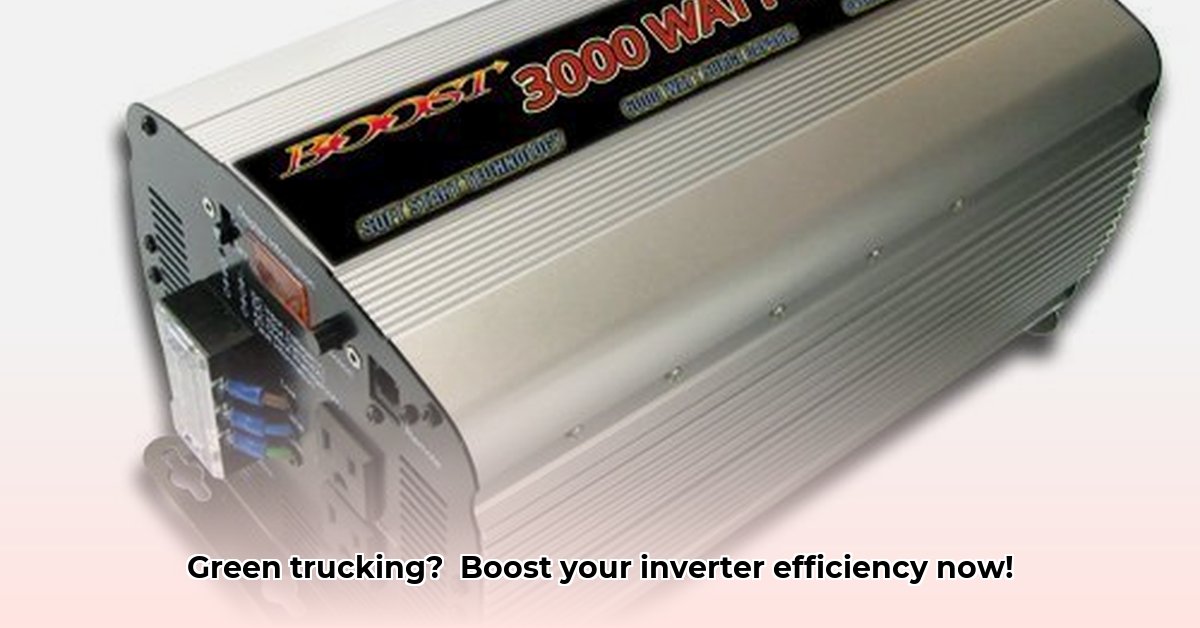
Power Inverter Selection: Fueling Efficiency and a Greener Future
Choosing the right power inverter for your tractor-trailer is a crucial decision impacting operational costs, driver comfort, and environmental responsibility. This article compares pure sine wave and modified sine wave inverters, helping you make an informed choice that balances performance, cost, and sustainability. For more information on 7-pin connectors, crucial for proper inverter installation, see this helpful resource: 7-pin connector info.
Pure Sine Wave vs. Modified Sine Wave: A Comparative Analysis
The core decision lies between pure sine wave and modified sine wave inverters. Pure sine wave inverters produce a smooth, consistent power output (similar to household electricity), ideal for sensitive electronics like laptops and medical devices. However, this superior power quality comes at the cost of higher energy consumption and a higher purchase price.
Modified sine wave inverters, conversely, offer a more cost-effective solution with lower energy consumption. Their less refined power output, however, may not be suitable for all electronics, potentially causing malfunctions or reduced lifespan in sensitive devices. Consider the following table:
| Feature | Pure Sine Wave Inverter | Modified Sine Wave Inverter |
|---|---|---|
| Power Quality | Excellent, suitable for sensitive electronics | Good for most everyday electronics, but some may malfunction |
| Energy Efficiency | Lower – uses more fuel | Higher – uses less fuel |
| Cost | Generally more expensive | Generally less expensive |
| Typical Uses | Laptops, medical devices, power tools | Lights, basic appliances, less sensitive electronics |
"The choice between pure and modified sine wave inverters depends heavily on the specific needs of the trucking operation," says Dr. Anya Sharma, Professor of Electrical Engineering at MIT. "A cost-benefit analysis considering the types of devices used and the potential cost of damage to sensitive equipment is crucial."
Isn't it interesting that a seemingly small component like the power inverter can have such a significant impact on your overall fuel consumption? Studies show that inefficient inverters can increase fuel costs by up to 15% annually.
Fuel Costs, Emissions, and the Bottom Line: A Holistic View
An inverter's energy efficiency directly impacts fuel consumption and operating costs. Choosing an energy-efficient model translates to fewer trips to the gas station and lower overall expenses. This financial advantage also contributes to reduced carbon emissions, aligning with growing sustainability initiatives in the trucking industry. Furthermore, a more efficient inverter reduces wear and tear on the truck's battery, leading to extended battery lifespan.
Selecting the Right Inverter: A Practical Guide
Assess Power Needs: Calculate the total wattage of all devices you plan to operate simultaneously, adding extra wattage for surge power. (Surge power is the initial power burst when a device turns on).
Choose Inverter Type: Select a pure sine wave inverter if using sensitive electronics; opt for a modified sine wave inverter for basic appliances and less sensitive equipment.
Prioritize Safety Features: Insist on inverters with overload, short-circuit, and thermal shutdown protection. These safety features are critical for preventing damage and ensuring safe operation.
Verify Compatibility: Ensure compatibility with your truck's electrical system and battery. Incorrect installation can be hazardous and void warranties.
Focus on Efficiency: Look for inverters with high efficiency ratings (expressed as a percentage). A higher percentage translates to less wasted energy and reduced fuel consumption.
Sustainability Beyond the Inverter: The Broader Picture
While choosing an efficient inverter is a significant step, other strategies further improve sustainability. The integration of solar panels to supplement power, for example, decreases fuel consumption and environmental impact. The ongoing research into longer-lasting and more efficient batteries also offers promising advancements for the future of green trucking.
Key Takeaways:
- Choosing the right inverter is vital for cost savings and environmental responsibility.
- Pure sine wave inverters offer better compatibility with sensitive devices, but they consume more energy.
- Modified sine wave inverters are more cost effective but might not be suitable for sensitive devices.
- Proper wattage selection and safety certifications are crucial for optimal performance and safe operation.
- Exploring renewable energy sources can enhance the sustainability and efficiency of your operation.